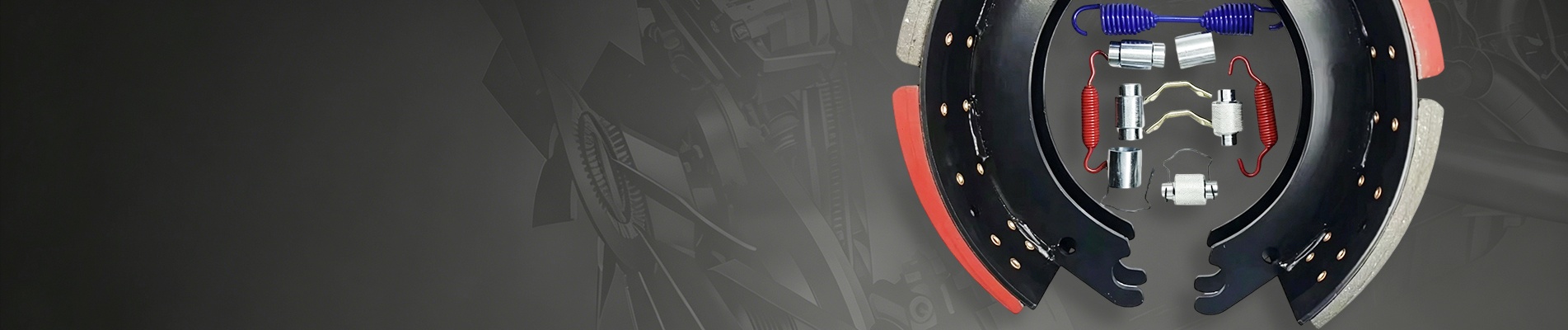
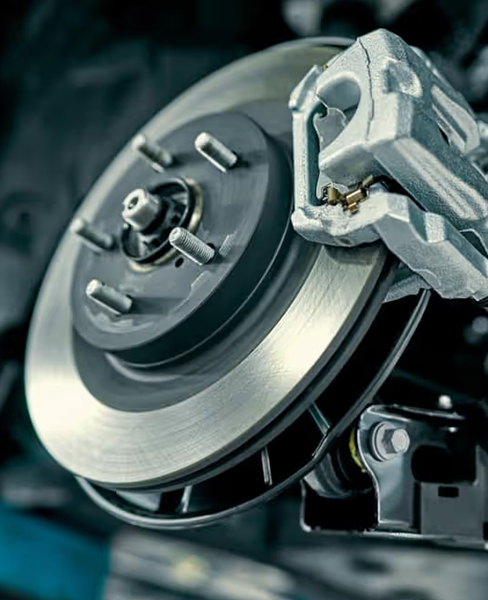
Brake shoes are the core wearable parts of heavy-duty truck brake systems, and timely replacement is the key to ensuring driving safety and passing DOT inspections. Many North American truck drivers lack professional judgment standards, leading to delayed replacement or unnecessary replacement of brake parts. Here are 6 practical core standards to judge worn brake shoes. First, check the lining thickness: replace immediately if it is less than 1/4 inch. Second, observe surface condition: replace shoes with obvious glazing, cracks, peeling and oil contamination. Third, check uneven wear: one-sided wear or inconsistent thickness at both ends indicates brake system misadjustment and requires shoe replacement and debugging. Fourth, listen to braking noise: continuous grinding and squealing during braking means the friction layer is completely worn. Fifth, feel braking feedback: longer braking distance and offset braking indicate aging brake shoes. Sixth, check axle wear difference: excessive wear gap between primary and secondary shoes requires integral replacement. Following these standards can effectively avoid brake failure risks and ensure compliance with North American traffic regulations.